
Okay, so check this out—when I first poked around Solana apps, things felt scattershot. Wallet options were there, but none landed cleanly in the browser the way MetaMask does for Ethereum. Then Phantom showed up and, honestly, it changed the vibe. Wow. It’s fast, minimal, and it just kind of works—most of the time. My instinct said “this will be smooth,” and for routine use it usually is; though actually, there are quirks you should know before trusting it with big sums.
Here’s the thing. Phantom started as a simple Chrome extension and expanded across Chromium-based browsers and Firefox, giving Solana users an intuitive interface for tokens, NFTs, staking, and dApp interactions. I’m biased, but I appreciate when a product nails the basics: clear UX, easy account management, and sane security defaults. Still, don’t get sloppy—browser wallets bring convenience and attack surface together, so a little caution goes a long way.
Check this out—if you want to add Phantom to your browser, this is the recommended link for the phantom wallet download extension. Seriously, use an official source and verify the extension before installing. There are fakes out there that look identical at a glance.
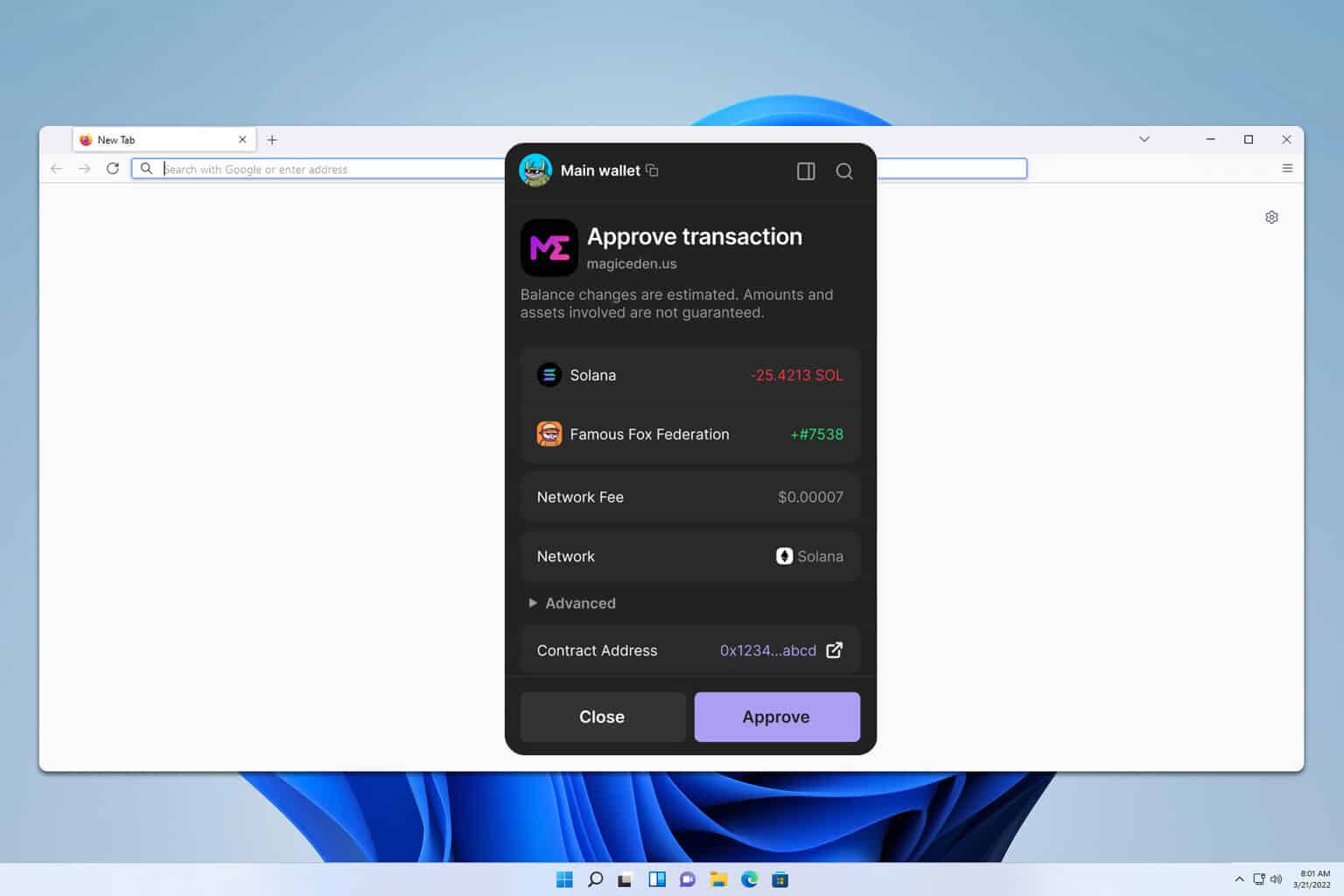
What Phantom Gets Right
Short version: speed and simplicity. Phantom prioritizes a clean, approachable experience. Transactions on Solana are cheap and quick, and Phantom lets you feel that speed instead of getting in your way. Transactions confirm in seconds. Fees are tiny. You can swap tokens inside the wallet without leaving the extension. Nice.
On the UX side, Phantom stores multiple accounts, supports hardware wallets for added safety, and has built-in NFT viewing. It also warns you when a site requests signing or account access, which helps cut down accidental approvals—though people still click things when they’re in a hurry, so don’t be that person.
Initially I thought Phantom’s convenience might undercut security, but then I realized they provide meaningful guardrails: seed phrase backup reminders, optional password gating, and hardware wallet integration. On one hand that’s reassuring; though actually, even with those tools you need operational discipline—use separate browser profiles for testing, keep your seed offline, and never paste your seed phrase into a website.
Installing the Extension — Practical Steps
First, pick a browser that supports extensions (Chromium-based or Firefox). Then, go to the official link above and install. Seriously—double-check the publisher name and reviews. After installation:
- Create a new wallet or import an existing one using the seed phrase.
- Set a strong password for the extension lock.
- Enable hardware wallet support if you have one (Ledger/Trezor via Ledger Bridge or supported flow).
- Backup the seed phrase offline—write it down on paper and store it somewhere secure.
Don’t screenshot your seed phrase. Don’t email it to yourself. I’m not your mom, but treat it like a passport and a key to your bank account both rolled into one.
Security: Practical Tips That Matter
Hmm… let me be blunt. A lot of losses come from user error, phishing, and cloned extensions. So even if Phantom is solid, your habits matter more than the tool. A few best practices that I actually follow:
- Only install the extension from the official source linked above.
- Pin the extension in the toolbar so you can spot unknown icons—easy visual check.
- Use a hardware wallet for sizeable holdings. Phantom supports Ledger devices and will prompt for confirmation on the device itself—this is huge.
- Create a small “hot” wallet for daily use and keep the bulk of funds in cold storage.
- When connecting to a dApp, verify the domain and the exact permissions being requested. If a site asks to sign a transaction that seems unrelated to your action, cancel.
Something felt off once when a supposedly legit marketplace asked to approve a token transfer that wasn’t part of any purchase flow. My gut said “nope,” and that saved me. Trust that gut, but use tools too.
Common Pain Points and How to Handle Them
Phantom is smooth but not flawless. A few recurring issues people report:
- Occasional failed transactions due to network congestion or wrong fee settings—try increasing the fee slightly or re-broadcasting after a minute.
- Extension disappearing or not loading—clear cache, restart the browser, or reinstall (backup seed first!).
- Phantom not recognizing NFTs—sometimes metadata fails; refresh the token list or re-import with the correct mint address.
Also, if you share your browser for work or family, consider a dedicated profile for wallets. It reduces accidental exposures. Oh, and by the way, read permission alerts aloud to yourself. Sounds silly, but it helps you catch weird requests.
Everyday Use: Tips to Make It Less Annoying
For daily interactions—trading on a DEX, minting NFTs, staking—do these small things:
- Keep a tiny balance in SOL for fees separate from trading capital.
- Pre-approve token spend only with trusted contracts; revoke approvals periodically.
- Use the transaction history in Phantom to trace failed or pending transactions—in most cases you can resend with adjusted parameters.
I’m not 100% sure about some dApp-specific quirks, because every project handles signing differently, but these core habits cover 90% of headaches.
FAQ
Is Phantom safe to use for serious holdings?
Short answer: yes, if you pair it with a hardware wallet and good operational security. Long answer: browser extensions are convenient but increase attack surface. Use cold storage for the bulk of assets and hardware for transaction signing whenever possible.
Can I recover my Phantom wallet if I lose my device?
Yes—use your seed phrase on a fresh install or compatible wallet. But if you lose that phrase, recovery is impossible. Back it up offline and keep it secure.
How do I tell a fake Phantom extension from the real one?
Check the install link (use the official one above), verify the publisher, read recent reviews for red flags, and look for verified badges in browser stores. If anything looks strange, don’t install it.
Alright—so after all that: Phantom isn’t magic, but it’s a well-designed bridge between people and the Solana ecosystem. It makes routine tasks feel natural, which is rare. That said, be practical: protect your seed, use hardware signing, and audit every permission. I’ll be honest—the pace of Solana development sometimes outstrips tooling, and new quirks pop up. Still, for most users wanting a browser-based Solana wallet, Phantom is a solid starting point. Go on—try it carefully, and keep learning as you go…
Leave a Reply